
What Makes Learning Stick?
Well hello there, and welcome to update #201!

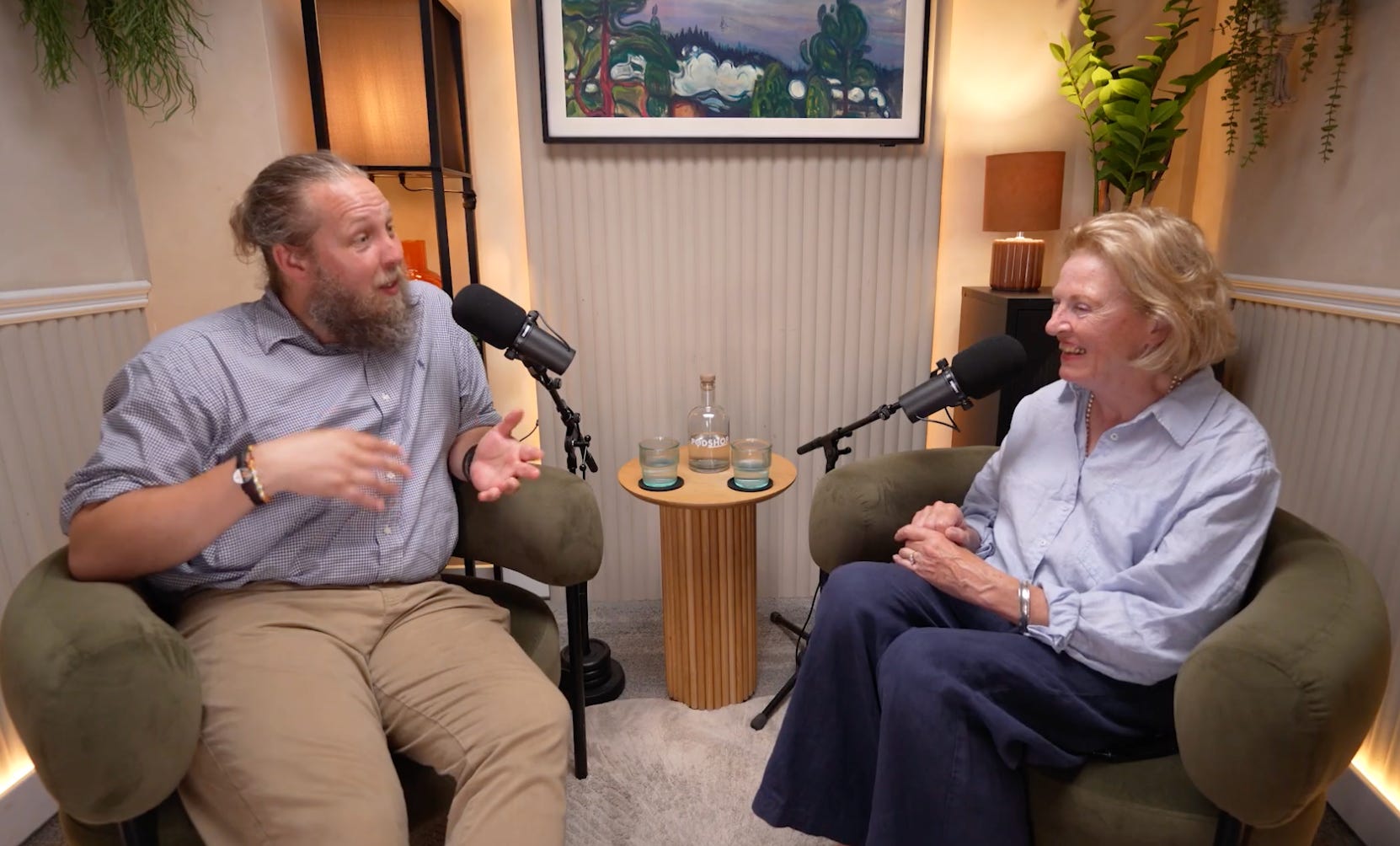
The headlines of a conversation with Pete Mattock on the Leading With... podcast
The main problem: too much, not enough depth
Most schools aren’t getting curriculum wrong, but the ones that misstep are trying to do too much. The national curriculum, particularly in subjects like music, art, design technology and geography, has left gaps that schools have tried to fill by cramming content in.
The result? A curriculum that’s a mile wide and an inch thick, as Dylan Wiliam would say.
Children don’t get the chance to explore bigger concepts because we’re ploughing through to cover everything. We need to think less about coverage and more about depth of meaning.
Architecture before bricks
There’s a tendency to go straight to the programmes of study and tick them off. What we should be doing first is looking at the purpose statements — those beautifully framed intentions about the difference a subject makes to young people’s lives.
Once we identify the big ideas, new knowledge becomes stickier. In geography, the big concept in physical geography is that the earth moves — everything follows from geomorphology. In history, it’s democracy: from ancient Greece to Magna Carta to the suffragettes, children’s understanding enlarges over time.
This is a leadership responsibility and it means creating time and space for this thinking.
The power of narrative
Schools tapping into research on narrative are seeing remarkable results. The University of Sussex’s Faster Read study found that over 12 weeks of teachers reading aloud while pupils followed along, reading ages increased by 8.5 months. For lower-attaining readers, it was nearly double: 16 months.
When asked why they’d done so well, pupils said: “We don’t normally get the chance to do this interesting work.”
The diet for many struggling readers is phonics, decoding, SPaG and levelled readers. All necessary, but not sufficient. When we pitch above their pay grade, something shifts.
What high-quality provision looks like
Three criteria for the texts we use:
They look gorgeous, because that provokes curiosity
The tone treats children as intelligent human beings, too much is jazzed up or dumbed down
Rich tier three vocabulary, which does the heavy lifting
In classrooms working this way, there’s a different level of concentration. You can’t tell who has additional needs. There’s something that elevates learning through being read to.
And the paradox? It’s actually less work for the teacher.
The KS2-KS3 transition
What goes wrong at key stage three is that senior leaders and subject leaders aren’t asking: what have children learned up until this point?
I saw a curriculum plan this week where year seven’s first term in English was “an introduction to English”, as though they haven’t just had six years of it!
We have examples of children being taught content in year seven that they learned in year four. It’s one thing to say “I know you’ve learned this before — it’s difficult, we’re revisiting it.” It’s another to teach it as though they’ve never encountered it.
We wonder why children switch off. But it’s also insulting to primary colleagues, because it is dismissing rather than honouring their work.
What’s working
Schools that are getting this right are sending secondary subject leads into primary moderation sessions. They’re blown away by what’s happening. One trust arranged 26 visits from secondary colleagues into primary schools. The science team discovered six weeks of their year seven programme was already covered.
We complain we don’t have enough time. But we don’t have enough time precisely because we keep repeating content.
And let’s stop calling them “feeder schools.” They’re partner primary schools. We don’t eat them in secondary!
The vocabulary question
Schools working on etymology are finding that children with the greatest language deficit make the greatest gains. When you ask those children about it, they say two things:
“We like finding this stuff out.”
And: “It makes me feel clever.”
I think that’s my job as an educator, to provide resources that make children feel clever.
The full episode of my conversation with Peter is here and here.
The book: KS3: The Ambitious Years explores how we move from the wasted years to something far more purposeful.
Until next time
Mary